
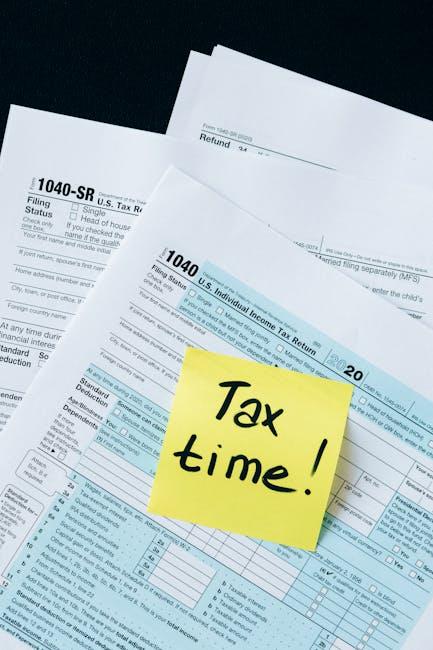
Navigating the complexities of retirement income can be a daunting task, especially when it comes to minimizing the tax burden on your hard-earned savings. As you transition from a steady paycheck to drawing from your retirement accounts, understanding the intricacies of tax laws becomes essential to preserving your financial well-being. This comprehensive guide will walk you through proven strategies to minimize taxes on your retirement income, ensuring that you can enjoy your golden years with peace of mind. From the optimal use of tax-advantaged accounts to the timing of withdrawals, our authoritative insights will equip you with the knowledge to make informed decisions and maximize your retirement funds.
Understanding Tax-Advantaged Accounts for Retirement Savings
Tax-advantaged accounts are essential tools for anyone looking to optimize their retirement savings. These accounts come with specific tax benefits that can significantly impact your retirement income. Understanding how to leverage these accounts can help you minimize the taxes you owe and maximize the money you keep.
- Traditional IRAs: Contributions are typically tax-deductible, and the funds grow tax-deferred until you make withdrawals in retirement.
- Roth IRAs: Contributions are made with after-tax dollars, but qualified withdrawals are tax-free, providing a tax-free income stream in retirement.
- 401(k) Plans: Often offered by employers, these plans allow for pre-tax contributions, reducing your taxable income in the year of the contribution. Earnings grow tax-deferred, and taxes are paid upon withdrawal.
- Health Savings Accounts (HSAs): While primarily used for healthcare expenses, HSAs offer triple tax advantages—contributions are tax-deductible, earnings grow tax-free, and withdrawals for qualified medical expenses are also tax-free.
By strategically utilizing these accounts, you can tailor your retirement savings plan to minimize your tax burden both now and in the future. For instance, combining Roth IRAs with Traditional IRAs can provide both immediate tax benefits and tax-free income in retirement, offering a balanced approach to tax management.
Leveraging Roth IRAs and Roth 401(k)s to Reduce Tax Burden
One of the most effective strategies to minimize your tax burden in retirement is to take advantage of Roth IRAs and Roth 401(k)s. Unlike traditional retirement accounts, these Roth accounts allow your investments to grow tax-free. Additionally, qualified withdrawals in retirement are not subject to federal income taxes, making them a powerful tool for tax planning.
Key benefits of Roth accounts:
– Tax-free growth: Investments in Roth IRAs and Roth 401(k)s grow tax-free, meaning you won’t owe taxes on dividends, interest, or capital gains.
– Tax-free withdrawals: Qualified distributions are not taxed, providing a source of tax-free income in retirement.
– No required minimum distributions (RMDs): Roth IRAs do not have RMDs, allowing your investments to continue growing tax-free as long as you like.
By strategically contributing to Roth accounts during your working years, especially when you are in a lower tax bracket, you can significantly reduce your taxable income in retirement. It’s also beneficial to diversify your retirement savings by having a mix of traditional and Roth accounts, providing flexibility in managing your taxable income each year. Leveraging Roth IRAs and Roth 401(k)s can be a cornerstone of a well-rounded retirement tax strategy.

Strategically Timing Withdrawals to Optimize Tax Efficiency
One of the key strategies to reduce the tax burden on your retirement income is to carefully plan the timing of your withdrawals. By strategically sequencing when and from which accounts you withdraw funds, you can potentially keep yourself in a lower tax bracket and avoid unnecessary penalties.
- Roth IRAs: Since withdrawals from Roth IRAs are tax-free, consider tapping into these accounts during years when your income is higher. This can help mitigate the impact of higher tax rates.
- Traditional IRAs and 401(k)s: Withdraw from these accounts in years when your taxable income is lower. This approach can help you stay within a lower tax bracket, minimizing the taxes owed on these distributions.
- Taxable Accounts: Utilize these accounts strategically to manage your taxable income. By selling investments that have a lower capital gains rate, you can generate needed funds while potentially incurring less tax.
Another important consideration is the Required Minimum Distributions (RMDs) from traditional retirement accounts. These mandatory withdrawals start at age 72 and can significantly increase your taxable income. Planning ahead by taking smaller distributions earlier can help spread out the tax impact, avoiding large, lump-sum withdrawals that could push you into a higher tax bracket.

Utilizing Tax Credits and Deductions for Retirees
As a retiree, you have several opportunities to leverage tax credits and deductions to reduce your tax burden. Here are some strategies to consider:
- Medical and Dental Expenses: If your medical and dental expenses exceed a certain percentage of your adjusted gross income (AGI), you may be eligible to deduct these costs. Keep meticulous records of all out-of-pocket expenses, including premiums, prescriptions, and even transportation costs related to medical care.
- Charitable Contributions: Donations to qualified charitable organizations can be deducted if you itemize your deductions. This includes cash contributions as well as non-cash items like clothing and household goods. Be sure to get a receipt for all donations.
- Retirement Savings Contributions Credit (Saver’s Credit): If you are still contributing to a retirement account, you might be eligible for the Saver’s Credit, which can reduce your tax bill by a percentage of your contributions.
Additionally, consider the following:
- Property Tax Deductions: If you own your home, you can deduct the property taxes you pay, which can be a significant saving, especially in states with high property taxes.
- Standard Deduction for Seniors: If you are 65 or older, you are entitled to a higher standard deduction, which reduces the amount of your income that is subject to tax.
By understanding and utilizing these credits and deductions, retirees can significantly reduce their taxable income, thereby preserving more of their retirement savings for the future.